Termite Tenting in Wilmington, NC
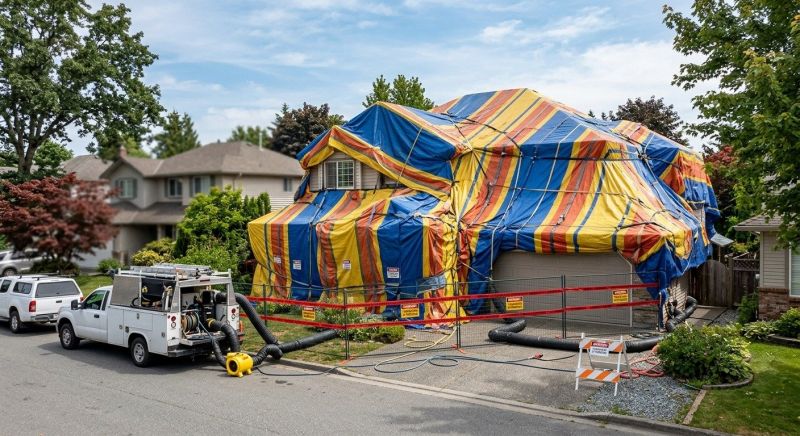
Termite tenting services involve enclosing a property in a specialized tent and applying a fumigant to eliminate termite colonies entirely. This method is typically used for severe infestations or when other treatment options are insufficient, covering both residential homes and larger structures such as multi-unit buildings. Homeowners considering this service should understand that it provides a comprehensive solution by targeting termites throughout the entire property, including hidden colonies that may be difficult to reach with spot treatments.
Before requesting termite tenting, property owners usually want to know about the preparation process, including how to clear the space and secure personal belongings. It’s also important to understand the duration of the treatment, the necessary safety precautions, and any post-treatment requirements, such as ventilation periods. Clarifying these details can help ensure a smooth process and effective results in protecting the property from termite damage.
Many property owners in Wilmington, NC look into Termite Tenting for repairs, replacements, upgrades, and appearance-related improvements.
Termite Tenting For Home Protection
Effective treatment to eliminate termites and safeguard your wilmington property.
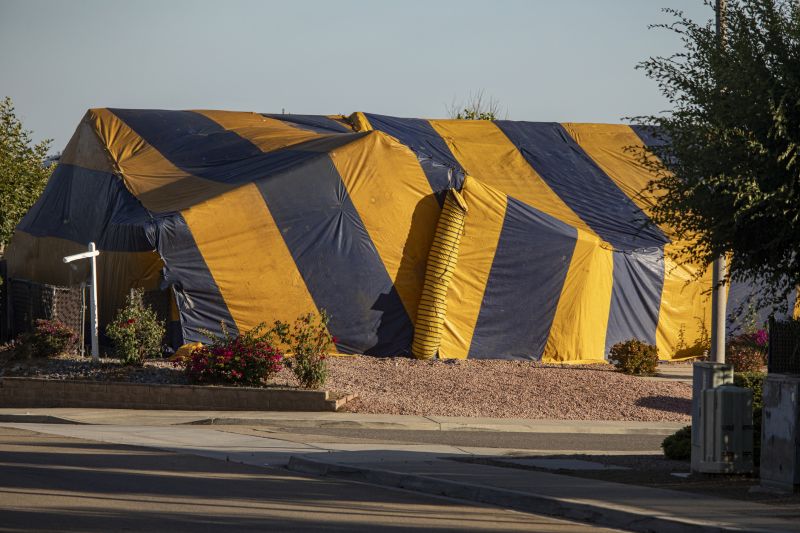
Residential Termite Tenting Services
Comprehensive solutions to treat infested homes and prevent future termite damage.
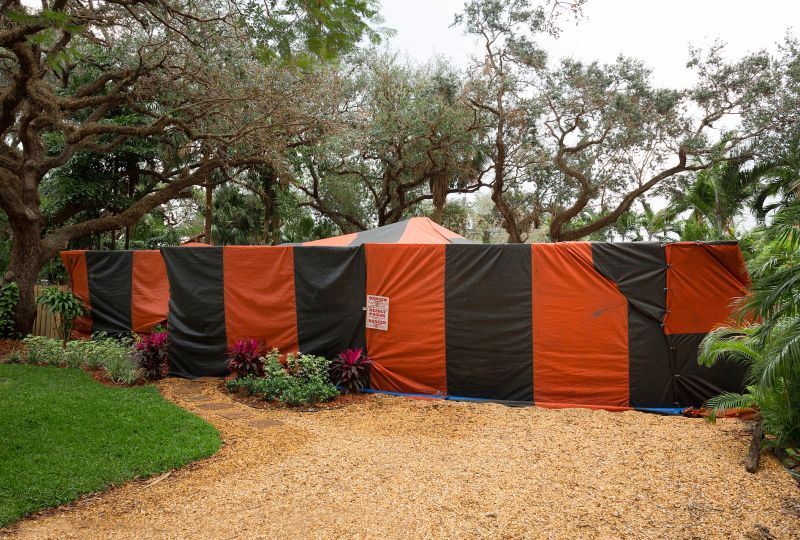
Commercial Termite Tenting Solutions
Specialized treatments designed to protect business properties from termite invasions.
Termite Tenting in Wilmington, NC

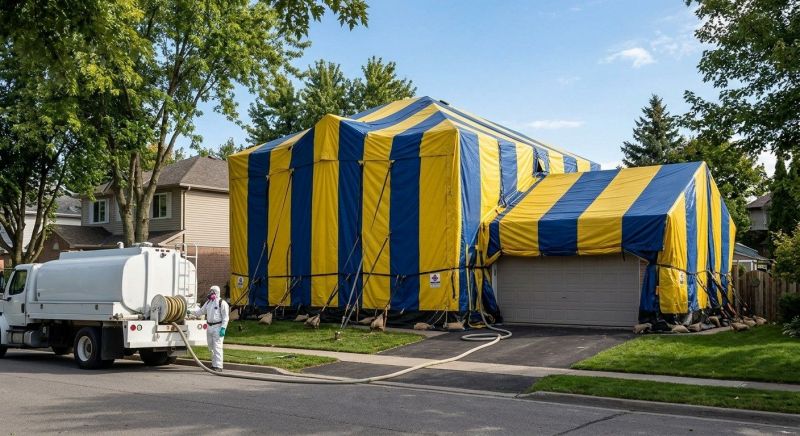
Termite tenting services involve enclosing a property in a specialized tent and applying a fumigant to eliminate termite colonies entirely. This method is typically used for severe infestations or when other treatment options are insufficient, covering both residential homes and larger structures such as multi-unit buildings. Homeowners considering this service should understand that it provides a comprehensive solution by targeting termites throughout the entire property, including hidden colonies that may be difficult to reach with spot treatments.
Before requesting termite tenting, property owners usually want to know about the preparation process, including how to clear the space and secure personal belongings. It’s also important to understand the duration of the treatment, the necessary safety precautions, and any post-treatment requirements, such as ventilation periods. Clarifying these details can help ensure a smooth process and effective results in protecting the property from termite damage.
Many property owners in Wilmington, NC look into Termite Tenting for repairs, replacements, upgrades, and appearance-related improvements.
Common Termite Tenting Jobs
Termite Tenting - a treatment method that involves enclosing a property to eliminate termites.
Infestation Removal - used to eradicate active termite colonies inside structures.
Pre-Construction Tenting - applied before new construction to prevent future termite issues.
Existing Structure Treatment - a solution for properties with ongoing termite damage or activity.
Residential Tenting - tailored for homes to protect living spaces from termite damage.
Commercial Tenting - suitable for business properties needing comprehensive termite control.

Termite Tenting Questions
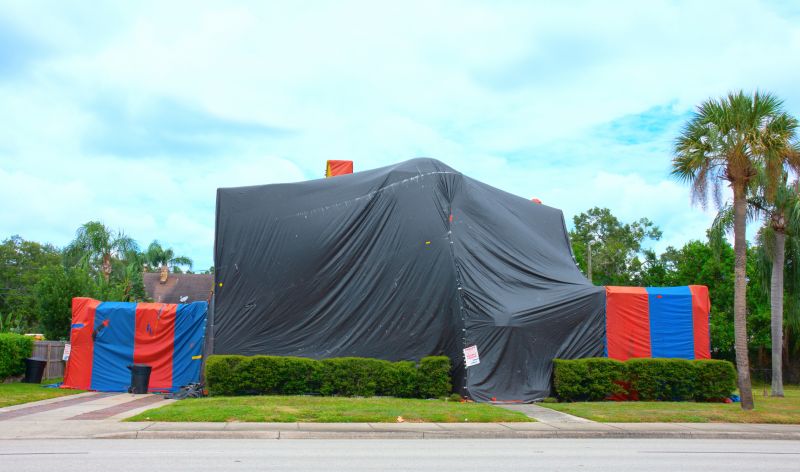
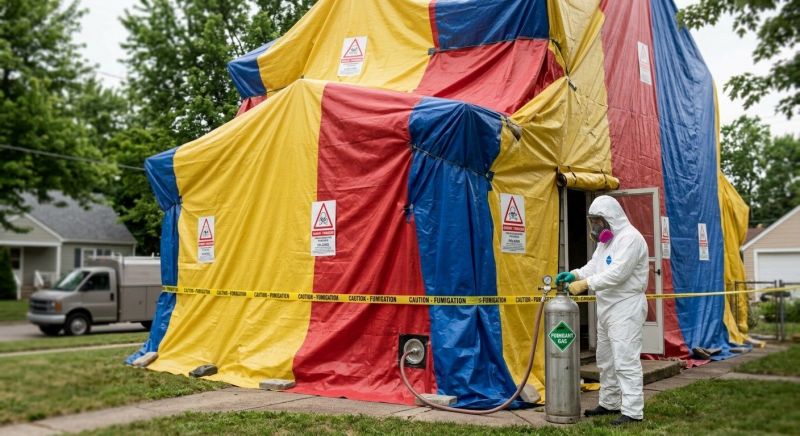
What is termite tenting? Termite tenting involves covering a property with a specialized tarp and releasing gas to eliminate termites throughout the structure.
When is tenting recommended? Tenting is typically used when termite infestations are widespread or difficult to treat with spot treatments alone.
Is the property safe after tenting? The property must be vacated during the treatment and for a specified period afterward to ensure safety and proper gas dissipation.
What types of properties can be treated with tenting? Tenting can be performed on residential homes, multi-unit buildings, and commercial properties with infested wood or structures.
Request Termite Tenting in Wilmington, NC
Use the quote form on this page to share the basics of your project and request more information for the type of work you need.